If the CPAP is sitting in a drawer, you have options
Dr. Jeff Buxton helps adults who can't tolerate CPAP explore custom oral appliances, DOMEzero expansion, and other airway-focused approaches, always in coordination with your sleep physician.
★★★★★4.9 on Google · 270+ Toothpillow reviews · Dr. Jeff Buxton, DMD
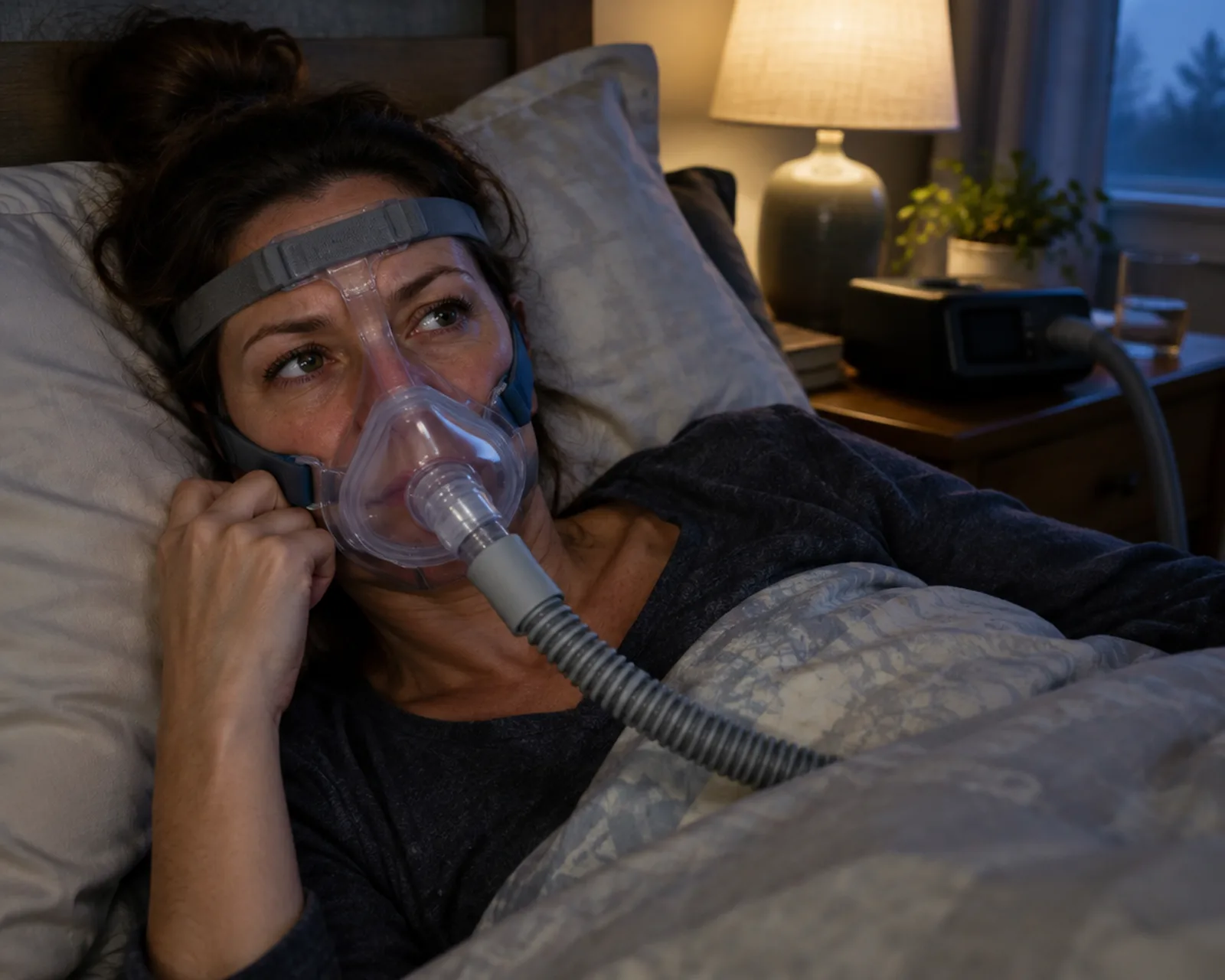
You tried. The mask still wins most nights.
You wanted it to work. You adjusted the straps, tried a new mask, turned the pressure up and down. And still you pull it off at 2 a.m., or it ends up in the closet.
You're far from alone, and it says nothing about your willpower. CPAP works well for many people, and if it's working for you, keep using it. For people who can't tolerate it, the question becomes: what else could help keep the airway open at night?
That's where an airway dentist comes in. At Toothpillow Breathing & Sleep Center in Draper, we look at the structure behind the problem (your jaws, palate, tongue, and soft tissue) and talk through options that work alongside your physician's care.
Signs it may be time to explore a CPAP alternative
The mask comes off at night
You wake up and find it on the floor, or you take it off without remembering.
Claustrophobia or discomfort
Straps, pressure, dry mouth, or the feeling of forced air keeps you awake.
Travel wears you down
Packing a machine for every work trip, family visit, or camping night has worn thin.
Your partner still hears you
Snoring or restless nights continue, with or without the machine.
You want to know why
You'd like to understand what's narrowing your airway, beyond managing it each night.
Newly diagnosed and weighing options
You just got sleep results and want to understand every path before you commit.
It all starts with an airway consultation
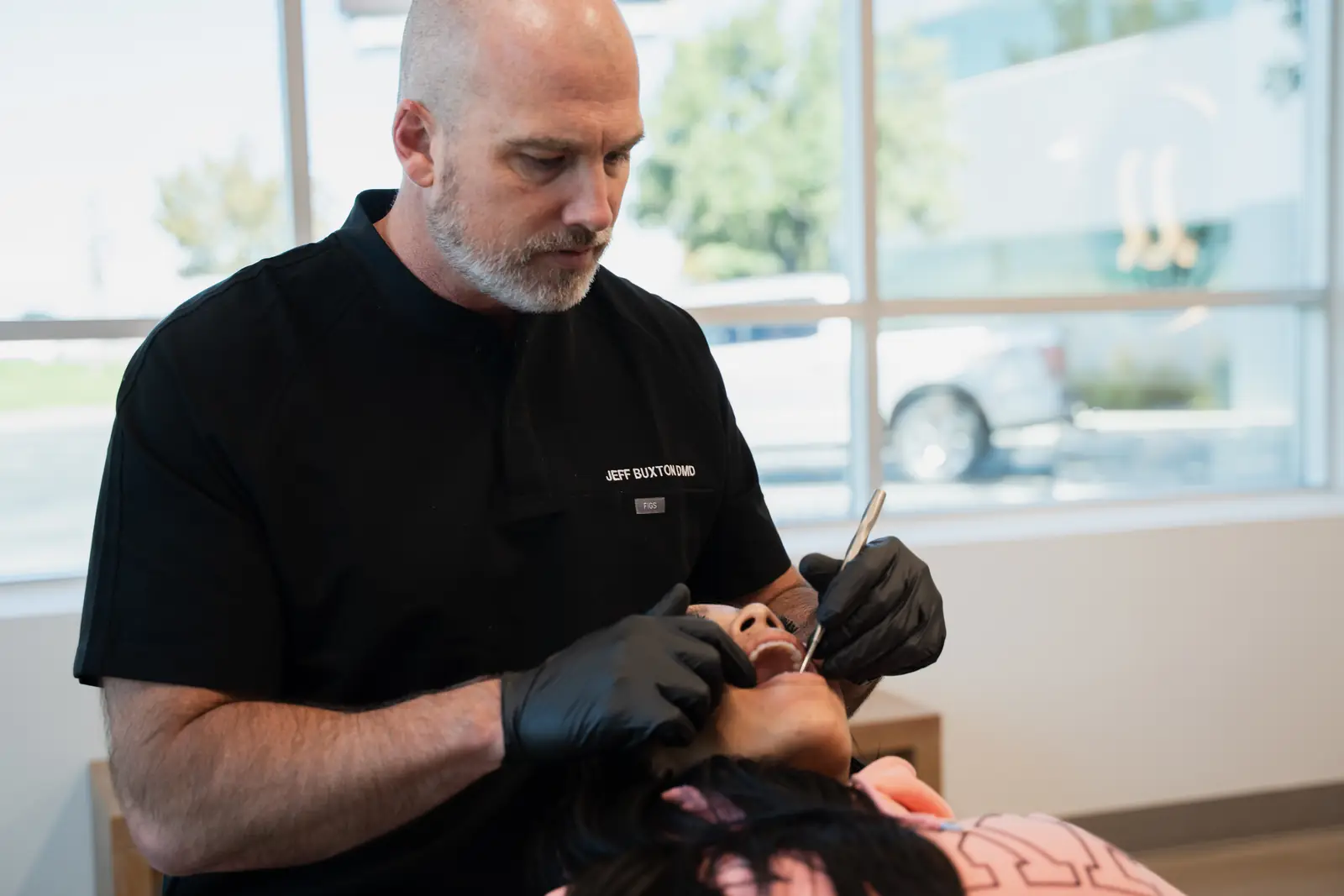
Before anyone talks treatment, we get the full picture. Your consultation with Dr. Buxton includes:
- A 3D CBCT scan of the airway, jaws, and joints
- A digital intraoral scan (no goopy molds)
- Photos and a hands-on exam of breathing, tongue, and bite
- A plain-language walkthrough of what we see and what your options are
Airway consultation: {$350 for kids and adults}
First, a clear picture of your airway
Every CPAP alternative starts with understanding your anatomy and your sleep. Bring your existing sleep study, or start with our at-home sleep ring.
At your adult airway consultation, Dr. Buxton reviews:
- A 3D CBCT scan of your airway, palate, and jaws
- A digital intraoral scan of your teeth and bite
- Your sleep data, CPAP history, and what hasn't worked
- Your tongue posture, nasal breathing, and jaw joints
Then we talk honestly about which options fit your case and how we'll coordinate with your sleep physician.
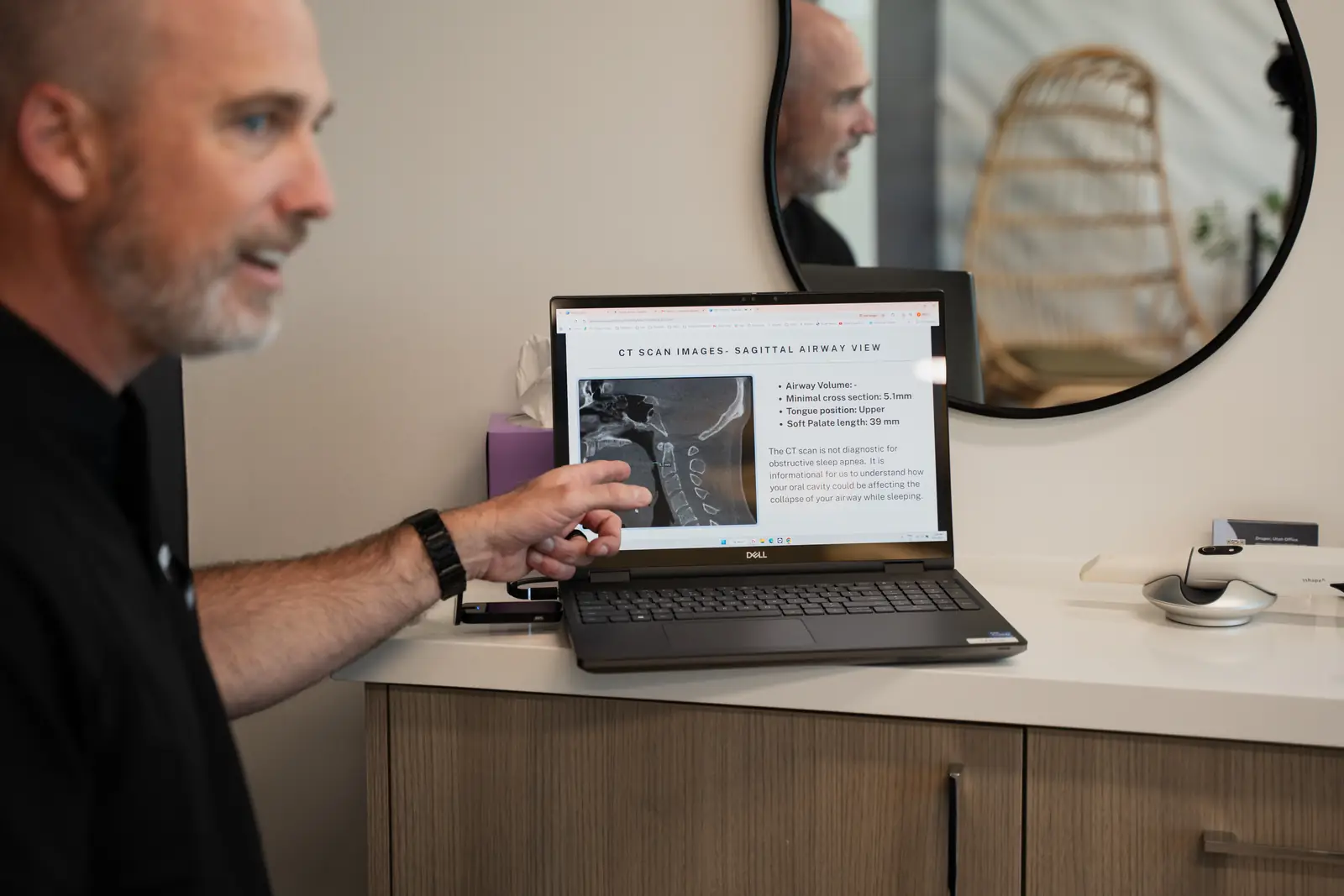
CPAP alternatives we offer in Draper
Your plan may use one of these or several together, depending on your anatomy and sleep results.
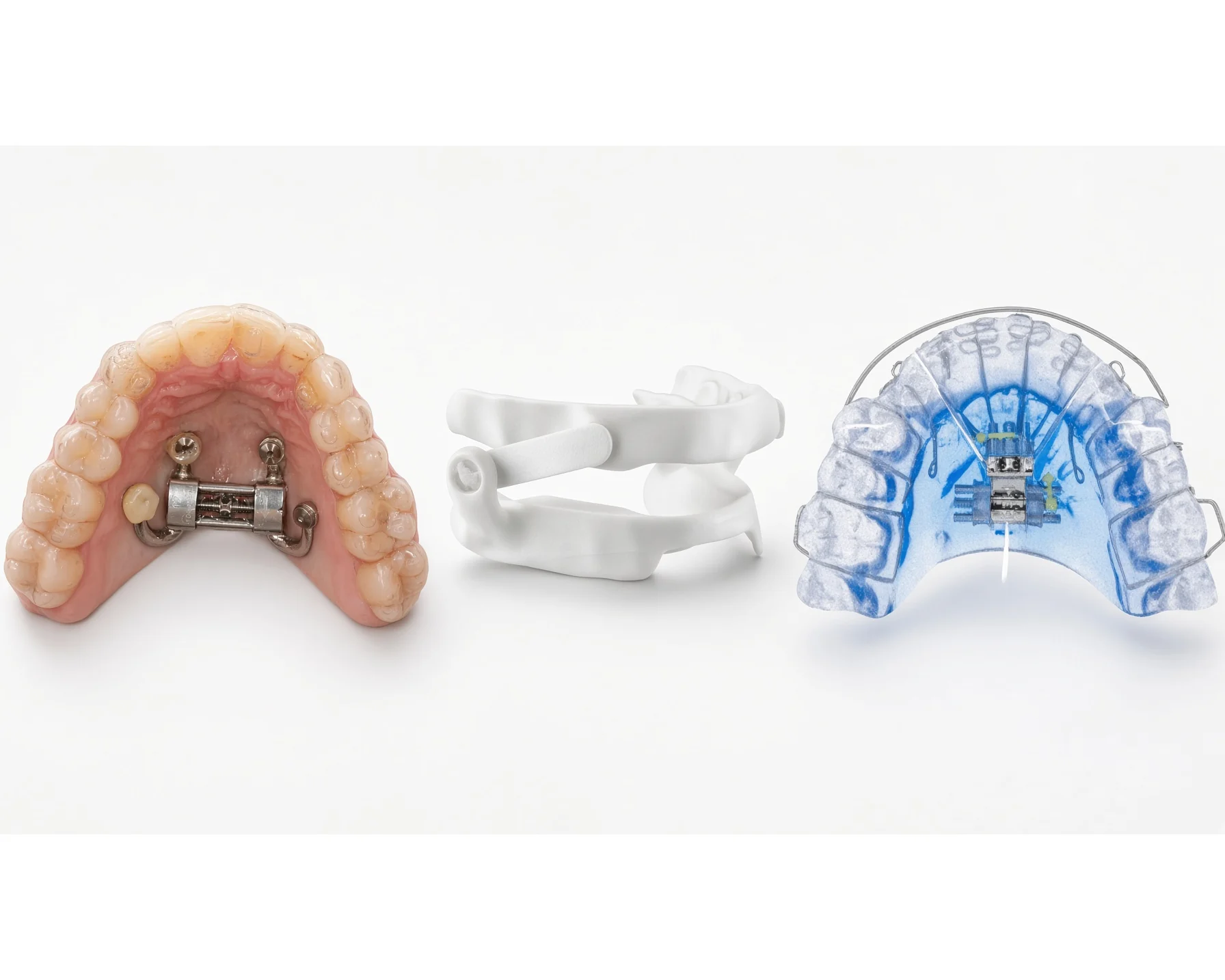
Oral appliance therapy
A custom mandibular advancement device holds your lower jaw slightly forward during sleep, designed to help keep the airway open.
DOMEzero expansion
DOMEzero pairs minimally invasive palatal expansion with clear aligners, designed to widen a narrow upper jaw and create more room to breathe.
Vivos® appliance therapy
A removable Vivos® approach to arch development for adults who want an appliance they can take out.
QuietNite laser
A non-invasive soft palate laser designed to tighten tissue that can vibrate at night. It can be done on its own or at any point in your plan.
Myofunctional therapy
Guided myofunctional therapy exercises retrain the tongue, lips, and breathing habits to support nasal breathing and other treatment.
AIRTHO clear aligners
After expansion, AIRTHO aligners guide teeth into place while preserving the new space for airflow.
Support for tonight, and a look at the root cause
CPAP and oral appliances work by supporting the airway each night. That can make a real difference, and for many patients it's the right starting point. We also want to know why the airway is narrow in the first place.
For many adults, part of the answer is a narrow upper jaw. That's why DOMEzero sits at the center of our adult sleep apnea treatment protocol: sleep test first, then expansion, then clear aligners, then QuietNite laser if needed. The goal is more room to breathe, built into your own anatomy.
- We never ask anyone to stop CPAP on their own
- Changes happen with your physician, guided by follow-up testing
- You may continue CPAP or use an oral appliance while other treatment is underway, based on your physician's guidance
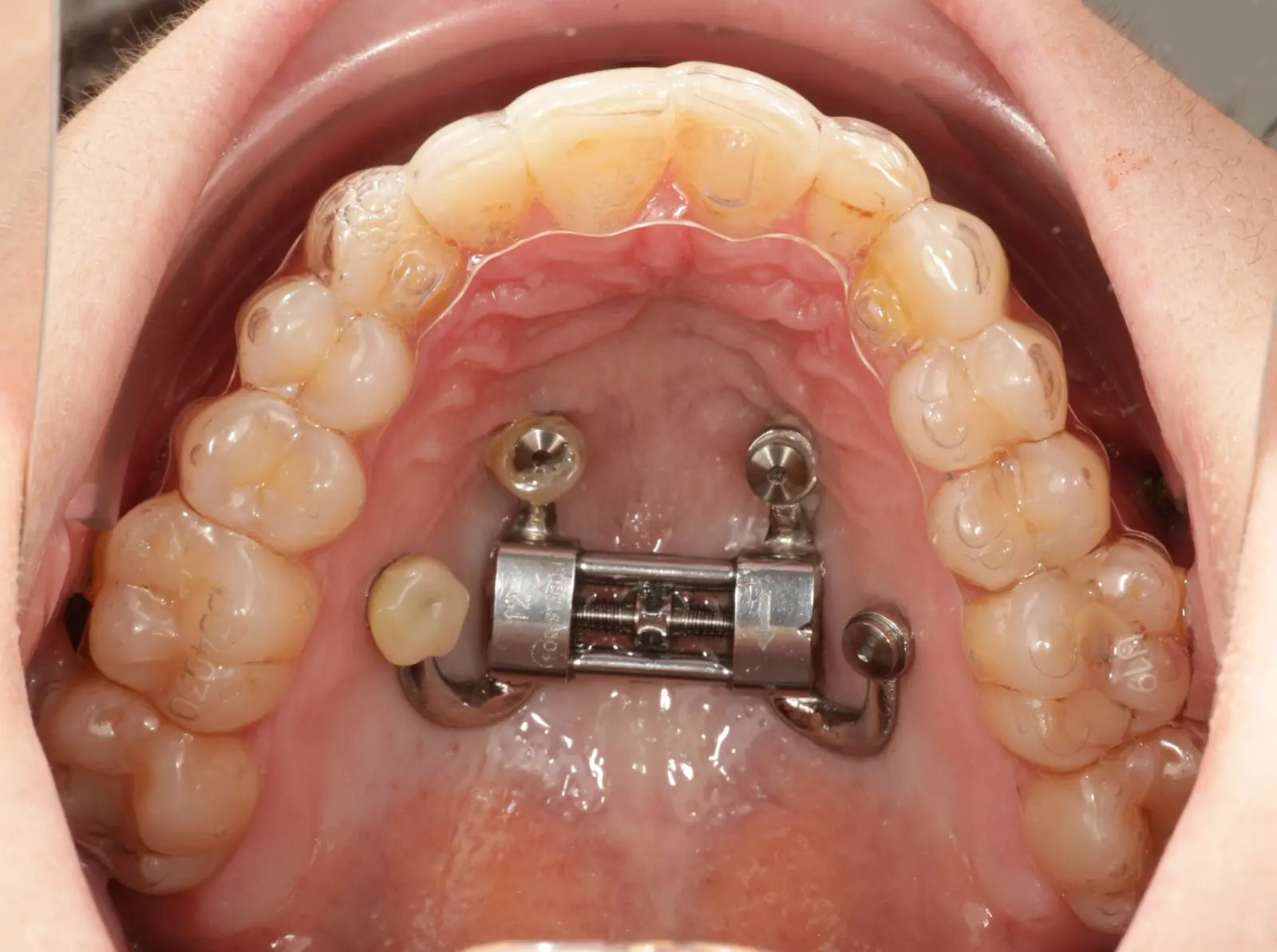
Hear it from Dr. Buxton
Short videos from Dr. Jeff Buxton. Educational only; every patient is different.
What is actually causing your airway to collapse? Because until you answer that question, you're not solving the problem. You're just managing it. Most people who are diagnosed with sleep apnea or breathing problems get handed a CPAP machine and sent home. But nobody asks the most important question. Why is this happening in the first place?
At our practice, before we recommend any treatment, we do three things. First, we review your sleep data. not just your AHI score. Second, we take an airway CBCT, a 3D scan that shows us exactly where your airway is restricted. Third, we do an assessment of your muscles and TMJ. We look at your tongue posture and your breathing habits.
Only after all three of those assessments do we sit down with you and say, here is what is actually going on. For most patients, we find the same underlying problems. The jaw is too narrow, so the tongue falls back. The airway collapses. That's an anatomy problem, and anatomy can be changed.
How many people have got to have a coffee to start out their day or some type of caffeinated beverage. When I was a kid, we had a Coke and a Coke had like 50 milligrams of caffeine. Today, you walk into a gas station to grab a drink. It's like 300 milligrams of caffeine, like six times more.
Why do we need that? It's actually super interesting, right? As we wake up in the morning, if we're not feeling alert, we need that caffeine. And then we consume that caffeine throughout the day. It's creating this negative spiral, right? It's affecting our sleep for the night already in the morning. How that is working is that we actually have something that is called adenosine and it builds up throughout the day.
It prepares us to fall asleep, but the caffeine delays that buildup. It can affect our ability to fall asleep at night and to get good quality sleep. And so if we're not getting good quality sleep, that buildup of adenosine doesn't reset in the night. And so we wake up in the morning feeling tired.
Now we need another coffee. We need a Monster, a Red Bull, to get through the day. If you think about each day, that building on it on each day, you're just going to constantly feel tired and fatigued. If you're feeling fatigued all the time, probably important to get a sleep screening, a sleep test, talk to your doctor, talk to your dentist. It's an important thing.
What patients and families say
Real Google reviews from our Draper office, Dr. Buxton's patients, and Toothpillow families. Individual experiences; every airway is different.
"Dr. Buxton really cares about his patients. I couldn't be happier with the results! ... Not to mention the new office and decor are absolutely stunning. Everyone in the office is so friendly!"
"Love this place so much! They Have helped me with my kids but also myself. AMAZING!!!"
"When my prior dentist retired, he referred me to Buxton Dentistry. So far it's been great."
Frequently asked questions
Is there an alternative to CPAP for sleep apnea?
For some people, yes. Options include custom oral appliance therapy, palatal expansion such as DOMEzero, soft palate laser treatment, and myofunctional therapy. Which one fits depends on your anatomy and your sleep results, and decisions are made with your sleep physician.
Can I stop using my CPAP once I start treatment here?
Please keep following your physician's instructions. We never ask patients to stop CPAP. Any change happens after follow-up testing and a conversation with your physician.
Is an oral appliance as good as CPAP?
They work differently. CPAP uses air pressure, and an oral appliance repositions the lower jaw. Some patients who can't tolerate CPAP find an appliance easier to live with, and your sleep physician can help you weigh the options for your situation.
Do I need a new sleep study?
Bring any recent results you have. If you don't have current data, our at-home sleep ring is an easy place to start.
Why see a dentist for a CPAP alternative?
Your jaws, palate, and tongue shape your airway. Dr. Buxton focuses on that structural side of breathing during sleep. His credentials include Diplomate, American Sleep & Breathing Academy and Vivos VIP Provider.
Does insurance cover CPAP alternatives?
Coverage varies by plan and by treatment. We're out of network and don't bill medical insurance directly, but we can provide the documents you need to submit a claim yourself. Call (801) 893-0234 with questions.
Treatments that often go together
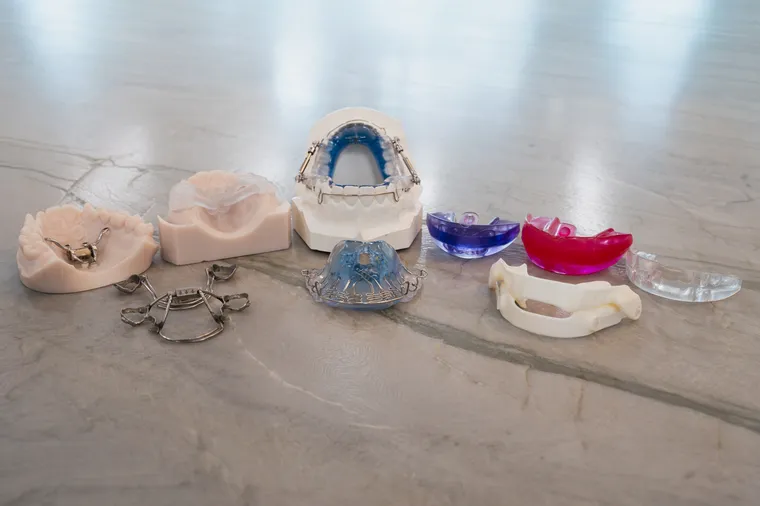
Oral Appliance Therapy
A custom mandibular advancement device that holds the jaw forward during sleep, designed to help keep the airway open.
Learn more →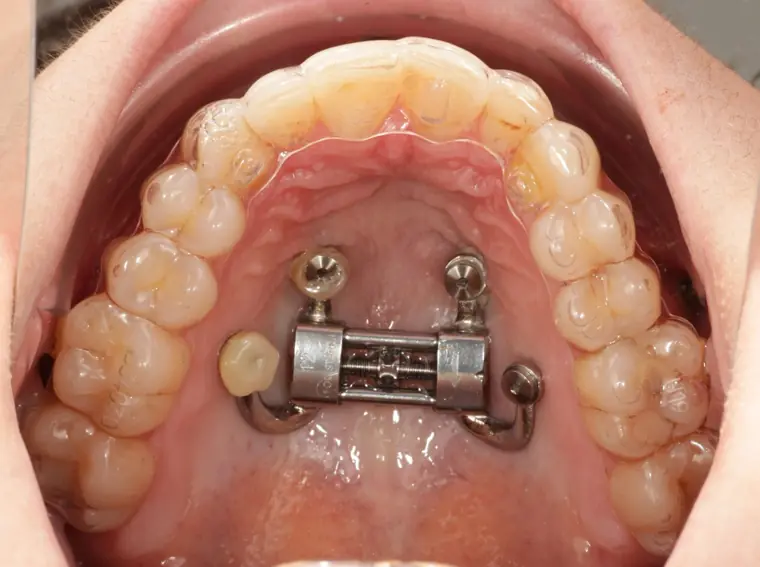
DOMEzero Expansion
Adult palate expansion paired with clear aligners from day one, designed to widen the upper jaw without the big front-tooth gap.
Learn more →
Sleep Apnea Treatment
Snoring, waking tired, or struggling with CPAP? An airway-first plan that starts with a sleep test and looks for the root cause.
Learn more →Schedule your airway consultation
Book online or call. Consultations for kids, teens, and adults at our Draper office.
14203 Minuteman Drive #101
Draper, UT 84020
Just off I-15, minutes from IKEA
Monday to Friday, 9 AM to 5 PM
"Great place! They are doing it differently. Well done!"
Request Your Airway Consultation
Tell us a little about what's going on. Our team will call you to find a time that works. No pressure, just answers.