
Palate Expanders for Kids That Make Room to Breathe
The roof of the mouth is the floor of the nose. Dr. Jeff Buxton uses removable and fixed palate expanders to widen a narrow upper jaw, creating space for adult teeth and supporting easier breathing through the nose.
★★★★★4.9 on Google · 270+ Toothpillow reviews · Dr. Jeff Buxton, DMD
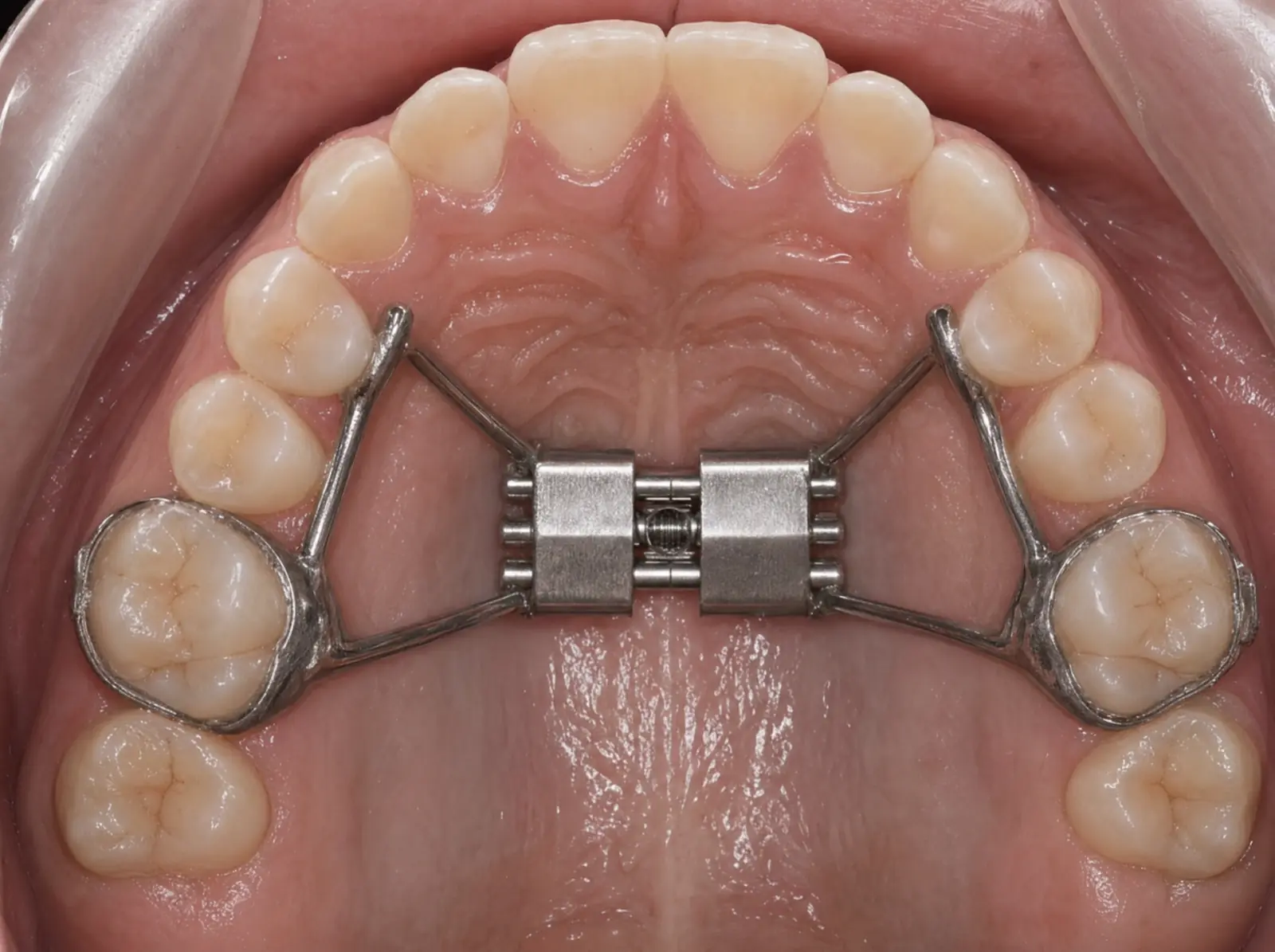
The roof of the mouth is the floor of the nose
Your child's upper jaw does two jobs at once. It holds the upper teeth, and it forms the floor of the nasal passages. When the palate is narrow and high, there's often less room for the tongue to rest, less room for adult teeth, and less room for air to move through the nose.
A palate expander gradually widens the upper jaw. In growing children, the palate has a seam down the middle that responds to steady, controlled pressure. Widen the palate and you may also widen the floor of the nose. That's why we plan expansion around the airway as well as the bite.
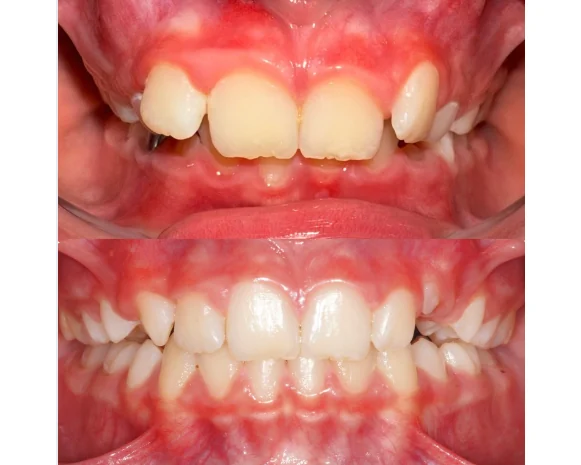
- Creates room for permanent teeth, which may reduce crowding and the need for extractions
- Designed to support nasal breathing and proper tongue posture
- Timed with growth, when the jaw tends to respond best
Before and after palate expansion with Dr. Buxton. Individual results vary.
Signs a palate expander may be worth discussing
Crowded or crooked teeth
When teeth overlap or adult teeth run out of room, a narrow upper jaw is often part of the picture.
Crossbite
Upper back teeth that bite inside the lower teeth can be a sign the upper jaw is too narrow.
High, narrow palate
A tall, V-shaped roof of the mouth can leave less space for the tongue and for the nasal airway above it.
Mouth breathing or snoring
Could a narrow palate be making nasal breathing harder? It's one of the first things we check.
Low tongue posture
If the tongue rests on the floor of the mouth instead of the palate, there may not be enough room up top.
Expanders already recommended
If another office suggested expansion, a second look at the airway can help you understand your options.
We measure before we expand
Every expansion plan starts with an airway consultation. A 3D CBCT scan lets Dr. Buxton see the width of the palate, the nasal airway, and how the upper and lower jaws relate, in three dimensions. A digital intraoral scan maps the teeth without molds, and a hands-on exam checks tongue posture, tongue mobility, and breathing habits.
Those records help answer the questions that matter most: Does your child need expansion at all? Upper only, or upper and lower? Removable or fixed? And how does expansion fit with the rest of your child's growth?
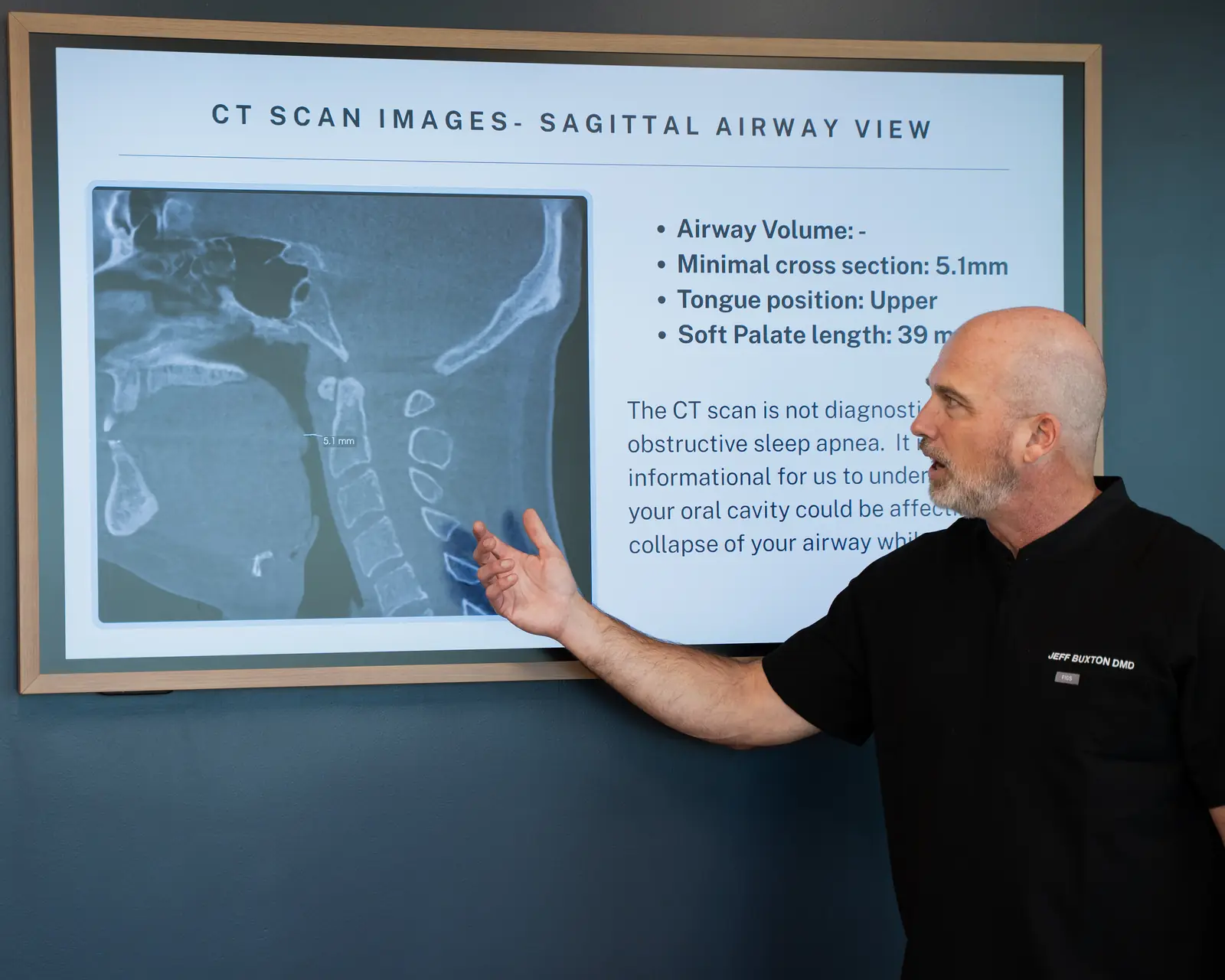
It all starts with an airway consultation
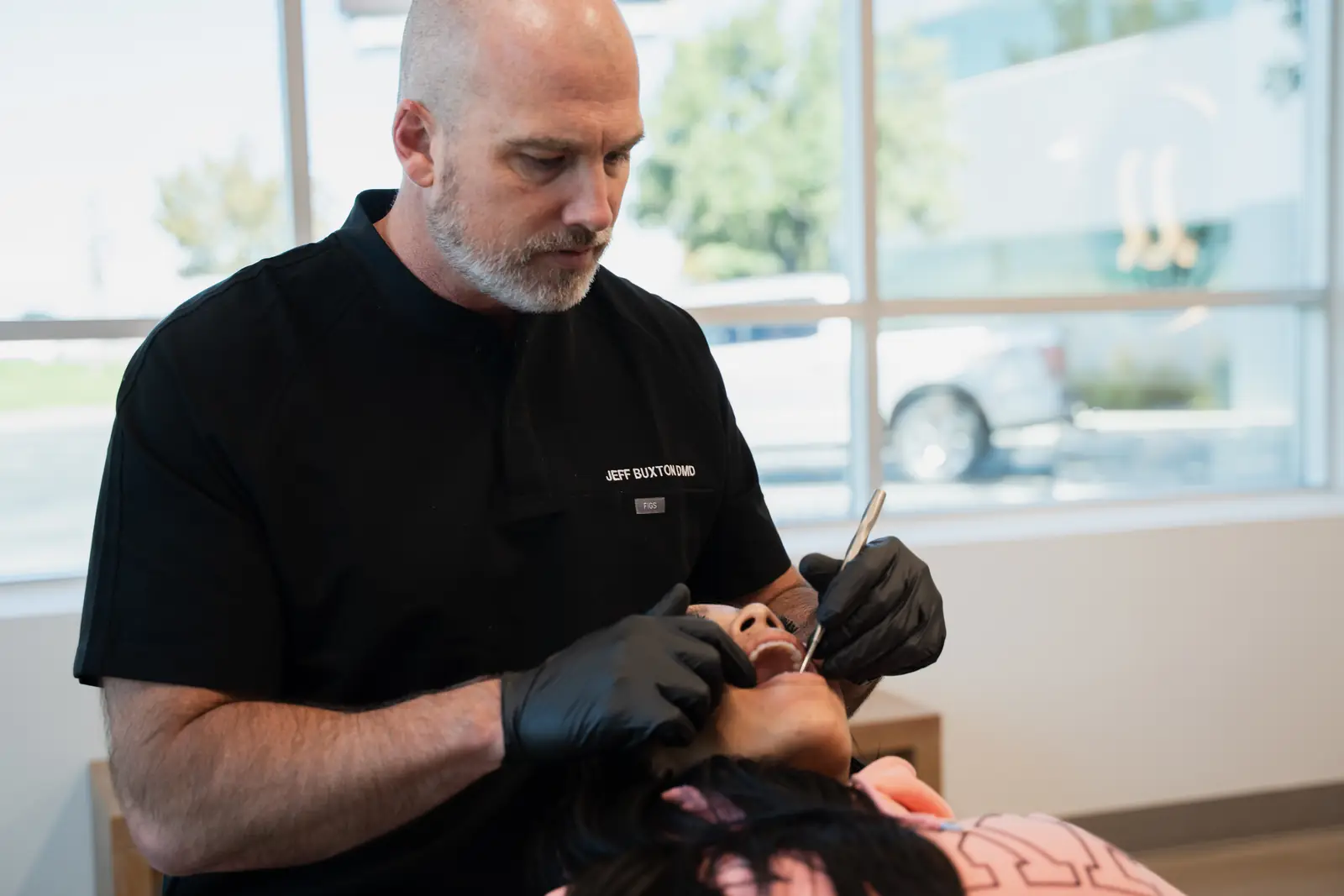
Before anyone talks treatment, we get the full picture. Your consultation with Dr. Buxton includes:
- A 3D CBCT scan of the airway, jaws, and joints
- A digital intraoral scan (no goopy molds)
- Photos and a hands-on exam of breathing, tongue, and bite
- A plain-language walkthrough of what we see and what your options are
Airway consultation: {$350 for kids and adults}
How palate expansion works here
Airway consultation
3D imaging, digital scans, and an exam show whether expansion makes sense and which type fits your child's age and growth.
A custom-made expander
We design the expander from your child's digital scans, then fit it and show you exactly how it works.
Gradual widening
The expander is adjusted a little at a time on a schedule we give you. Many kids feel mild pressure for a day or two after an adjustment.
Hold and support
Once the jaw is wider, the expander stays in place for a while so the new width can settle. Myofunctional therapy helps the tongue learn to rest in its new space.
Align into the new space
Many kids then move on to AIRTHO clear aligners to guide teeth into the room expansion created.
Removable expanders for younger kids
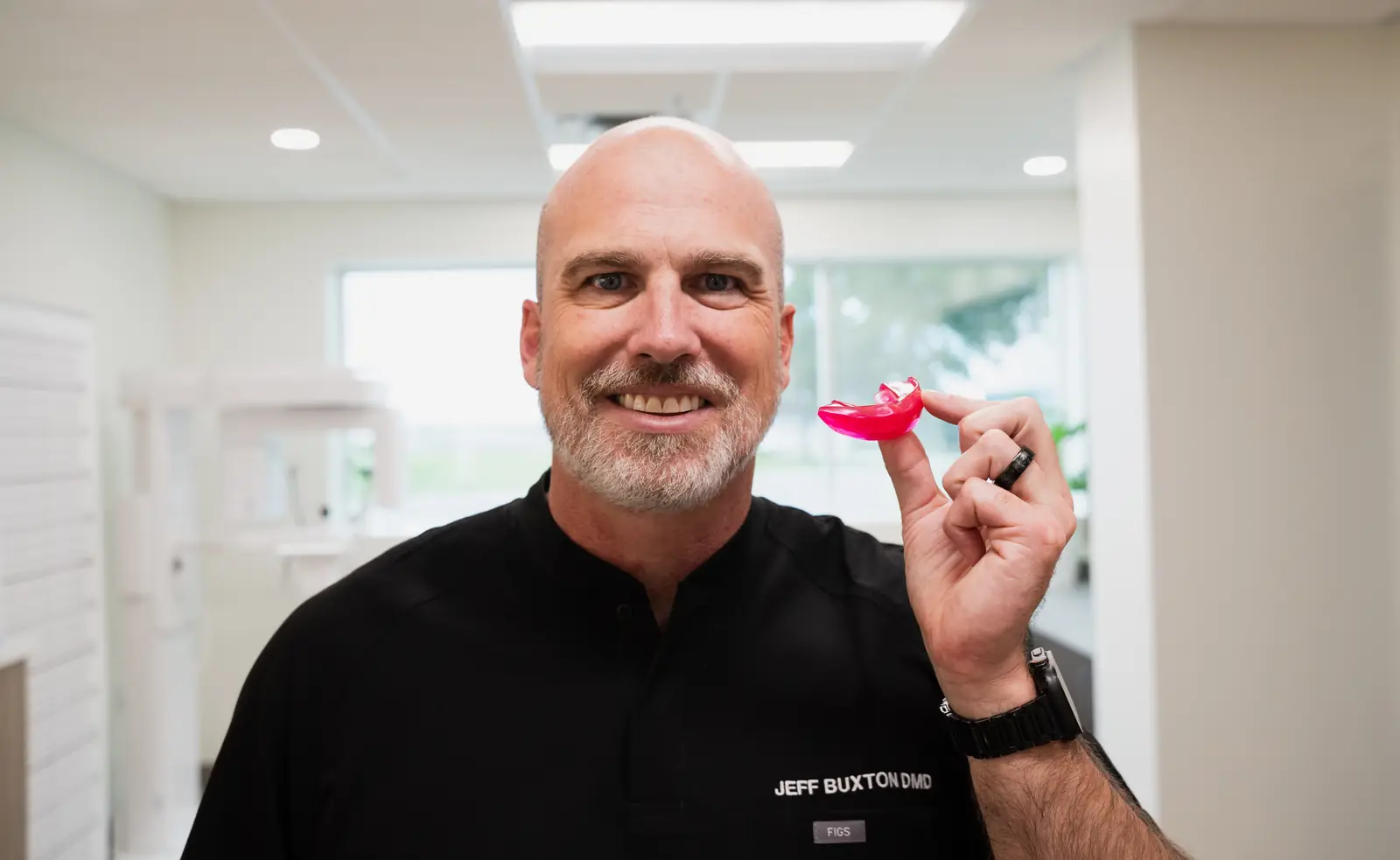
For many younger children, expansion can start with a removable appliance. These expanders are custom-made from digital scans and are adjusted gradually to widen the arch. Because they come out for eating and brushing, many families find them easy to fit into daily life.
Removable expansion is often part of Phase 1 care, and it can follow early guided growth with the Toothpillow appliance. It works best when kids wear it as directed, so we coach both you and your child and check progress at every visit.
Fixed expanders: RPE and Hyrax for older kids
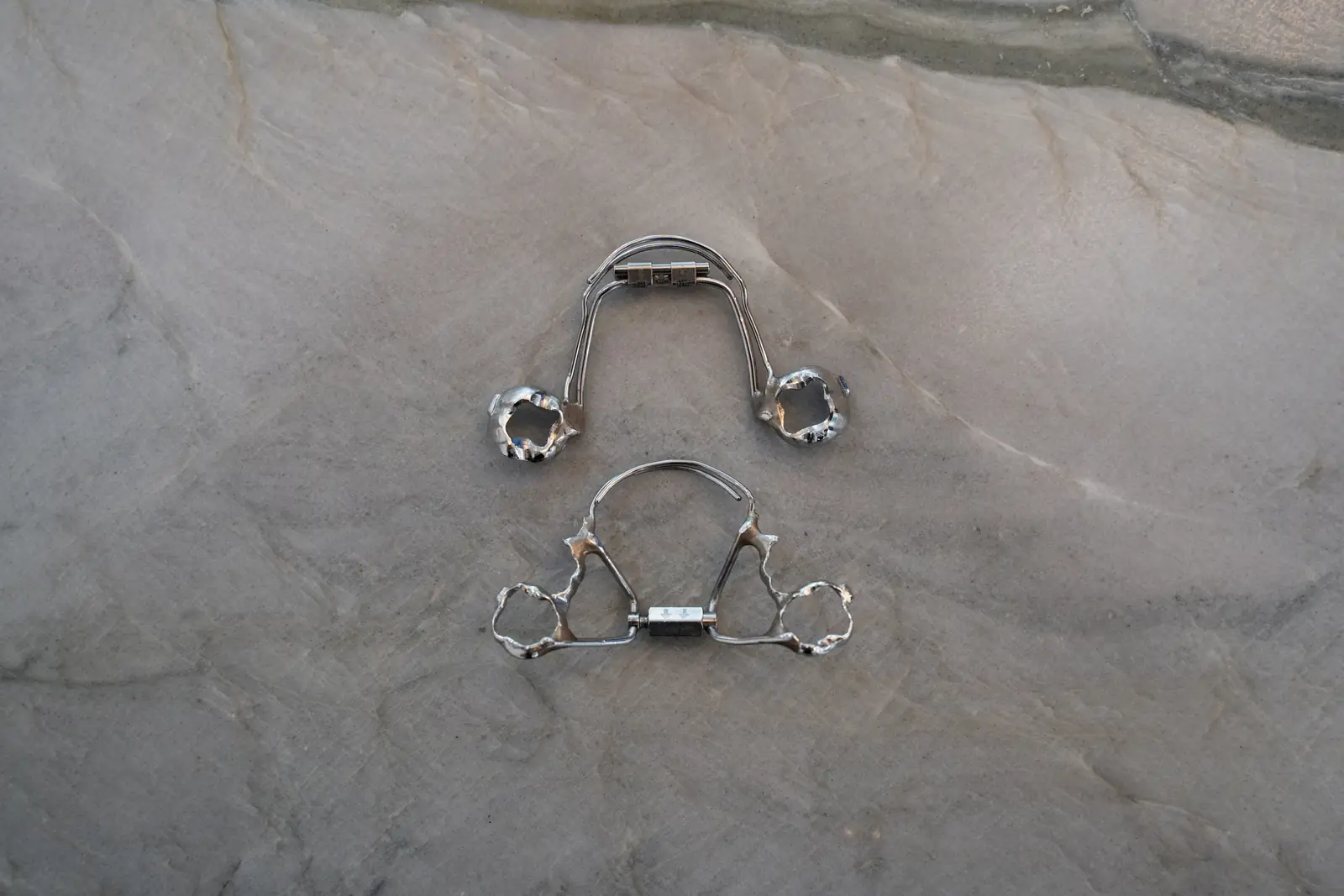
As kids get older, the seam in the palate begins to mature, and a removable appliance may not be enough. That's when a fixed expander can help. A rapid palatal expander (RPE), including the common Hyrax design, attaches to the upper back teeth and applies controlled force to widen the upper jaw at the seam. For some older kids, Dr. Buxton may recommend a mini-implant-supported expander.
We look at the lower arch too. Lower back teeth that tip inward can limit how far the upper jaw can widen, so coordinated upper and lower expansion may give more balanced, stable results.
Teens and adults whose palate seam has fused still have options. Learn about MARPE and DOMEzero, Dr. Buxton's slow, gradual adult expansion protocol paired with clear aligners. Parents are sometimes surprised to find their own snoring or tired mornings may share the same root; our adult sleep apnea treatment page explains more.
Hear it from Dr. Buxton
Short videos from Dr. Jeff Buxton. Educational only; every patient is different.
Waiting could mean missing a critical window that never comes back. Let me explain the difference. Braces straighten teeth. They move teeth within the jaw you already have. They're about alignment. Expansion creates more jaw. It actually grows the jaws wider creating more room. Now here's the critical part. You can only efficiently expand the jaw during the growth years.
Braces can straighten the teeth but they cannot enlarge the jaw. They cannot open the nasal airway. They cannot improve breathing and sleep the way early expansion can. At that point, to get to the same results, we would need more complicated expansion, possibly even breaking the jaw to reopen that growth plate. So the question isn't, should we wait for braces?
The question is, does my child need more jaw development while we still can? If your child has crowded teeth, mouth breathing, snoring, or a narrow smile, don't wait. Let's evaluate them now while we can still take advantage of their natural growth because this window doesn't stay open forever.
Why are the teeth crowded? The teeth are crowded because there's not enough room in the jaws for the teeth to come in. Instead of wondering why the teeth are crooked and thinking, how can we go upstream and maybe avoid these crooked teeth? We've just accepted, hey, we'll just straighten the crooked teeth out when all the baby teeth are gone.
And you're left with straight teeth, but those teeth have been put in an unstable position. That's the reason why a retainer is needed. If you don't wear the retainer, the teeth are going to try to move back into a more stable position in the bone. Think of it this way. You've got 32 chairs and you have a room and that room is your mouth and you need to fit all 32 chairs in that room.
Let's make sure that we build a big enough room for all of the teeth. And how can we build a big enough room? Well, as dental professionals, we can do expansion. As we make the room bigger, now the teeth are going to come in where they need to be.
Watch: how expansion works
Videos from the Toothpillow patient education series. Educational only; every child is different.
Videos are from the Toothpillow brand library.
What patients and families say
Real Google reviews from our Draper office, Dr. Buxton's patients, and Toothpillow families. Individual experiences; every airway is different.
"Love this place so much! They Have helped me with my kids but also myself. AMAZING!!!"
"We learned about airway health and then about ToothPillow, and thought it sounded important, so I submitted applications for our kids. They were accepted into the program, but we didn’t bite the bullet and enroll them just yet—wondering if it was really worth the investment. ..."
"We are beyond impressed with Toothpillow. The progress we have seen in our daughter's jaw development and expansion is amazing. We've also witnessed a significant improvement in sleep."
Frequently asked questions
What does a palate expander do?
A palate expander gradually widens the upper jaw. Because the roof of the mouth is also the floor of the nose, widening the palate can create room for adult teeth and may support easier breathing through the nose and better tongue posture.
Does a palate expander hurt?
Most kids feel pressure rather than pain, usually in the teeth, nose, or cheeks for a day or two after an adjustment. Talking and eating can feel different for the first few days, then most kids adapt quickly.
What's the difference between an RPE and a Hyrax?
RPE stands for rapid palatal expander, a fixed expander attached to the upper back teeth with an adjustable screw in the middle. A Hyrax is a common RPE design that sits slightly away from the roof of the mouth, which can make it easier to keep clean. Dr. Buxton will recommend the design that fits your child.
What age is best for a palate expander?
Removable expansion often works well for younger kids, and fixed expanders are common for older kids before the palate seam fully matures. Every child grows on their own timeline, so the 3D CBCT scan helps us time expansion for your child specifically.
How long will my child wear an expander?
It varies. Active widening usually takes a few weeks to a few months, then the expander stays in place for several months so the new width can settle. Dr. Buxton will give you an estimate after the airway consultation.
Treatments that often go together

The Toothpillow Appliance
A soft, removable nighttime appliance designed to guide healthy jaw growth and nasal breathing, starting as young as age three.
Learn more →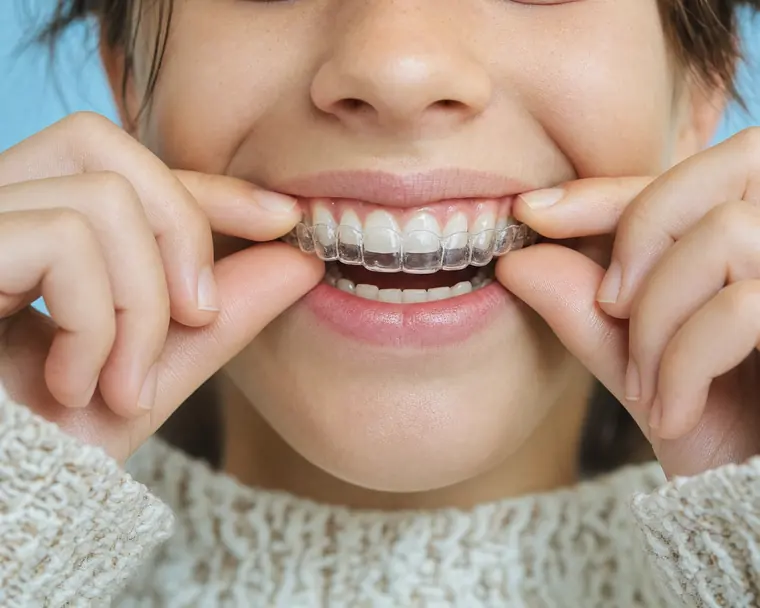
Kids & Teens Clear Aligners
AIRTHO clear aligners for kids and teens, planned to straighten teeth while creating and preserving room for the tongue and airflow.
Learn more →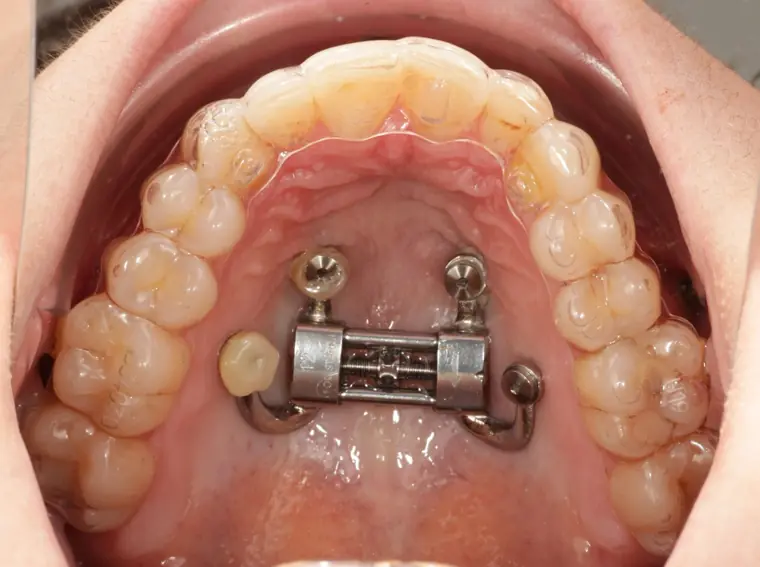
DOMEzero Expansion
Adult palate expansion paired with clear aligners from day one, designed to widen the upper jaw without the big front-tooth gap.
Learn more →Schedule your child's airway consultation
Book online or call. Consultations for kids, teens, and adults at our Draper office.
14203 Minuteman Drive #101
Draper, UT 84020
Just off I-15, minutes from IKEA
Monday to Friday, 9 AM to 5 PM
"Great place! They are doing it differently. Well done!"
Request Your Airway Consultation
Tell us a little about what's going on. Our team will call you to find a time that works. No pressure, just answers.